Is Mbappe the biggest tranfer in the league? How can Liverpool afford him?
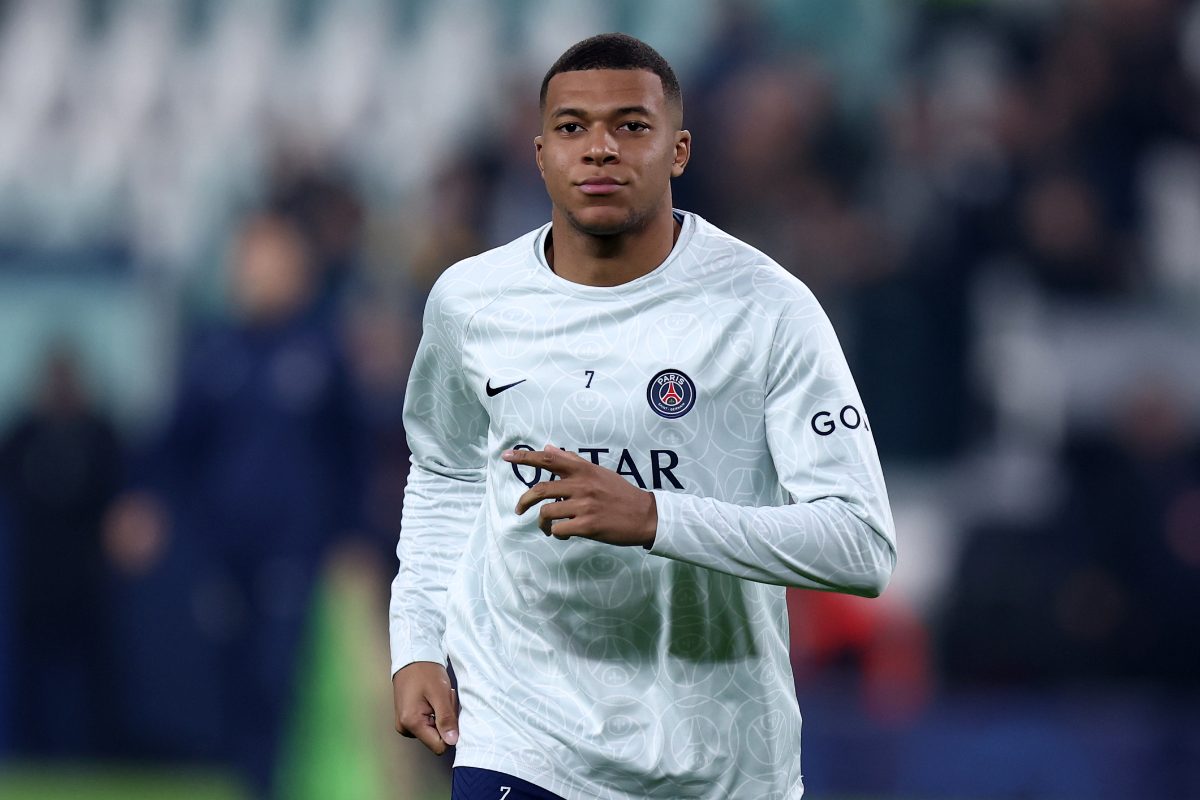
Liverpool are reported to be in early talks to sign Kylian Mbappé from Real Madrid in summer 2027 for €200 million to €250 million, which would make him the most expensive transfer ever, but no bid has been confirmed.

 spio.com
Kylian Mbappé, the 27-year-old France captain, plays for Real Madrid, which he joined from Paris Saint-Germain on a free transfer in 2024 on a contract that runs to 2029. On October 6, 2026, French journalist François Gallardo, speaking to the Spanish outlet Defensa Central, reported that Mbappé has decided to leave Madrid in summer 2027 and that Liverpool is his first choice. Two days later the Spanish site Fichajes reported that Liverpool are weighing a €250 million (about £212 million) offer. Nothing has been signed, and neither club nor the player has commented.
What is being reported
- The talks: Gallardo says Liverpool have been in touch with Mbappé's mother and representative, Fayza Lamari, in recent weeks, and that several other Premier League clubs are also interested.
- The price: €200 million to €250 million, according to Gallardo and Fichajes.
- The timing: summer 2027, not this season.
- Why he might go: the same reports describe him as unhappy and feeling unsupported in the Madrid dressing room. He has not said so himself.
What is confirmed and what isn't
- Confirmed: Mbappé is under contract with Real Madrid until 2029, and he has scored freely there, including 42 goals in 44 games last season.
- Not confirmed: a bid from Liverpool, any agreement with Madrid, or a request from Mbappé to leave.
- Madrid's side: Defensa Central reports that Real Madrid don't intend to sell, and that only an extraordinary offer would change that.
Would it be the biggest transfer ever?
Yes. The world record is still Neymar's move from Barcelona to Paris Saint-Germain in 2017 for €222 million. A fee of €250 million would beat it by about €28 million. It would also more than double the British record, the £125 million Liverpool paid Newcastle for Alexander Isak in 2025.
How could Liverpool afford him?
- The fee is spread out: clubs count a transfer fee over the length of the contract. £212 million over 5 years is about £42 million a year on the books, before wages.
- Wages are the bigger question: a player of his level would be one of the highest paid in the Premier League, on top of the fee and any signing bonus.
- Revenue: Liverpool earn money from television rights, the Champions League, a sold-out Anfield and global sponsorship, which put them among the richest clubs in the world.
- The spending rules: from 2026-27 the Premier League limits what clubs spend on wages, transfer fees and agents to 85% of their revenue, so a deal this size would have to fit inside that.
- Selling players: the reports say Liverpool would sell 2 high earners to make room. They have not been named.
What happens next
Nothing can happen before the summer 2027 window unless the clubs agree something earlier. Watch for a statement from Real Madrid or Liverpool, a comment from Mbappé, or a formal bid. Until then this is a strong rumor from Spanish media, not a done deal.
Read more
- FourFourTwo: Kylian Mbappé in shock Liverpool talks
- The Sports Encounter: Liverpool's £212m Mbappé bid, what is confirmed?
Follow-ups
 How did Neymar's €222 million transfer from Barcelona to PSG happen?
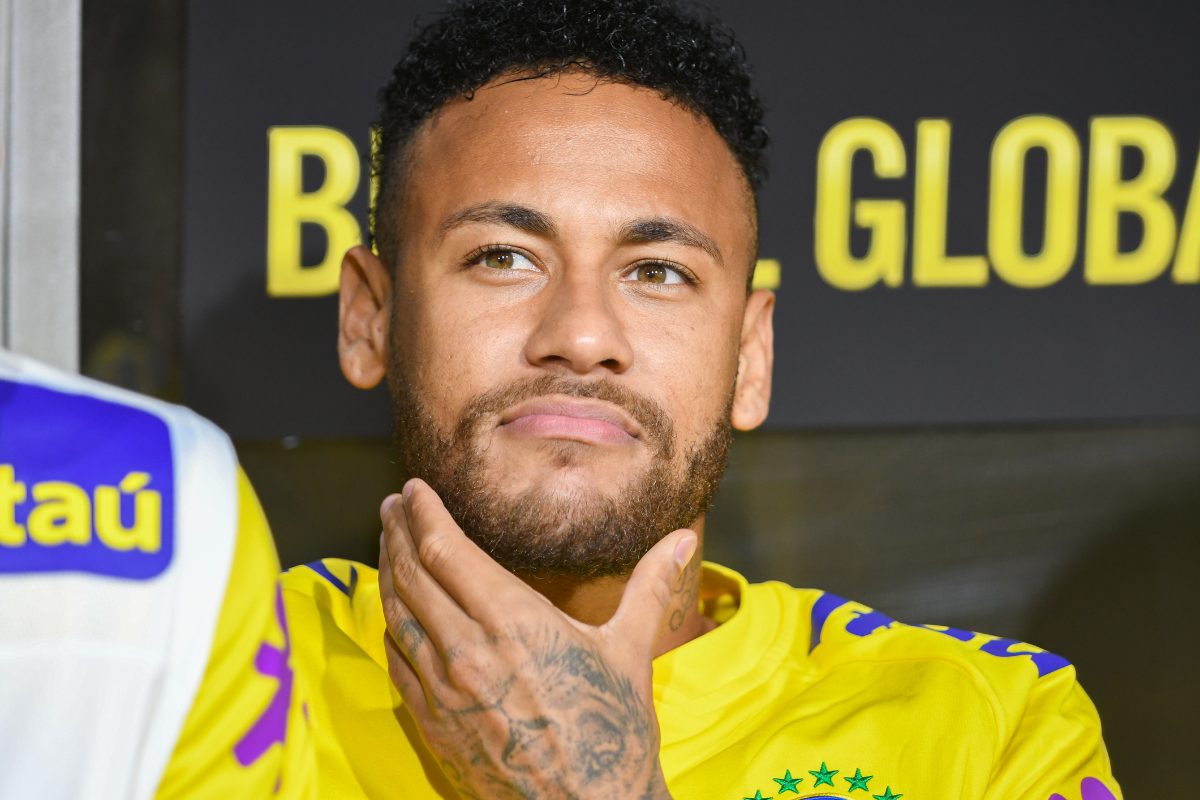
The €222 million move by Neymar Jr., the Brazilian forward, from FC Barcelona to Paris Saint-Germain was made possible by a legal loophole: instead of PSG paying Barcelona directly, Neymar's representatives paid his own release clause, with Qatar Sports Investments, the state-backed owners of PSG, providing the funds behind the scenes.
The release clause mechanism
Every player contract in Spain contains a buyout clause, a fixed sum written into the deal that any club, or in this case the player himself, can pay to walk away. Barcelona had set Neymar's clause at €222 million, a figure that seemed impossibly large at the time of signing. The previous world transfer record was €105 million, paid by Manchester United for Paul Pogba the summer before.
The clause was written so that the player, not a buying club, could trigger it. PSG never paid the fee to Barcelona. Instead, Qatar National Bank, the financial institution behind PSG, paid Neymar the sum, and he paid his own buyout clause. The move progressed with Neymar paying the clause himself, financially supported by Qatar Sports Investments, the state-sponsored company that owns PSG, who also intended to make him an ambassador for the 2022 World Cup.
Why the route mattered for financial rules
UEFA's Financial Fair Play rules, known as FFP, cap how much a club can lose over a three-year cycle, which is designed to stop wealthy owners simply buying trophies. A €222 million buyout clause was a sum no team could afford while complying with FFP rules, yet PSG was in the clear because they did not pay the fee to Barcelona directly. In this way, the €222 million did not appear on PSG's balance sheets, preemptively sidestepping the Financial Fair Play rules.
The deal had stalled when La Liga initially rejected the payment from Neymar's legal team. That forced them to travel to Barcelona and make the payment directly to the club instead.
Why Neymar wanted to leave
Neymar was no longer happy at Barcelona because he believed the presence of Lionel Messi would effectively prevent him from ever winning the Ballon d'Or. He also felt isolated in the dressing room due to the absence of close friends in the squad.
The money behind it all
PSG are owned by Oryx Qatar Sports Investments, an arm of Qatar's sovereign wealth fund with access to £194 billion. For six years since buying PSG, Qatar Sports Investment, founded by Sheikh Tamim bin Hamad Al Thani, the Emir of Qatar, had been working to reach the top table of European football. The Neymar deal was part of a summer spending spree: that same summer PSG broke the world transfer record twice, signing not only Neymar from Barcelona but also Kylian Mbappé from Monaco for £166 million, a deal structured officially as a loan to navigate UEFA's FFP rules.
UEFA launched a formal investigation into PSG's finances after their transfer activity triggered concern the club was flouting rules designed to control excessive spending. PSG ultimately avoided sanctions but was required to demonstrate immediate liquidity improvements to comply with break-even rules.
The whole saga is the direct ancestor of the reported Mbappé numbers being discussed now. It showed that a state-backed club willing to be creative about deal structure could set a price ceiling that looked impossible until the moment it wasn't.
 Why was €105 million considered a world record transfer fee at the time?
€105 million was the world record because it narrowly beat the previous high set by Gareth Bale's move to Real Madrid, capping a years-long climb in which each record holder had pushed football closer to the nine-figure barrier it had never cleanly crossed.
€105 million was the world transfer record because it edged past a sequence of fees that had each reset what the market thought a single player was worth, starting with Cristiano Ronaldo in 2009 and running through Gareth Bale in 2013.
How the record climbed to that point
Transfer fees had been creeping toward nine figures for years, but the jumps were gradual enough that each one still felt shocking. Ronaldo's €94 million move from Manchester United to Real Madrid in 2009 set the record first, then Bale's move from Tottenham Hotspur to Real Madrid in 2013 pushed it to around €100 million.
The €105 million Manchester United paid for Paul Pogba was the most expensive in the game's history, surpassing the roughly €100.7 million Real Madrid had paid for Bale. That's a gap of only a few million euros, which is part of why it felt monumental: football had spent years trying to break the €100 million barrier, and Pogba's fee finally did it cleanly.
Why the number landed so hard
The Pogba fee was jarring for a specific reason: United had released him four years earlier for virtually nothing, and he'd left as a 19-year-old who had made only seven substitute appearances. Juventus reportedly paid just £800,000 for him. Buying him back for €105 million made the story feel almost absurd, and that contrast burned the number into everyone's memory.
The fee was to be paid in 2 financial years, with a potential bonus of €5 million on top, taking the theoretical maximum above €110 million. Even the base figure was a number football had never formally crossed before, which is why it became the clear reference point when Neymar's €222 million buyout clause came along the following summer. Doubling a world record in a single window is exactly the kind of leap that makes people reach for words like "impossible."
 How much did Juventus pay for Paul Pogba in total during his time there?
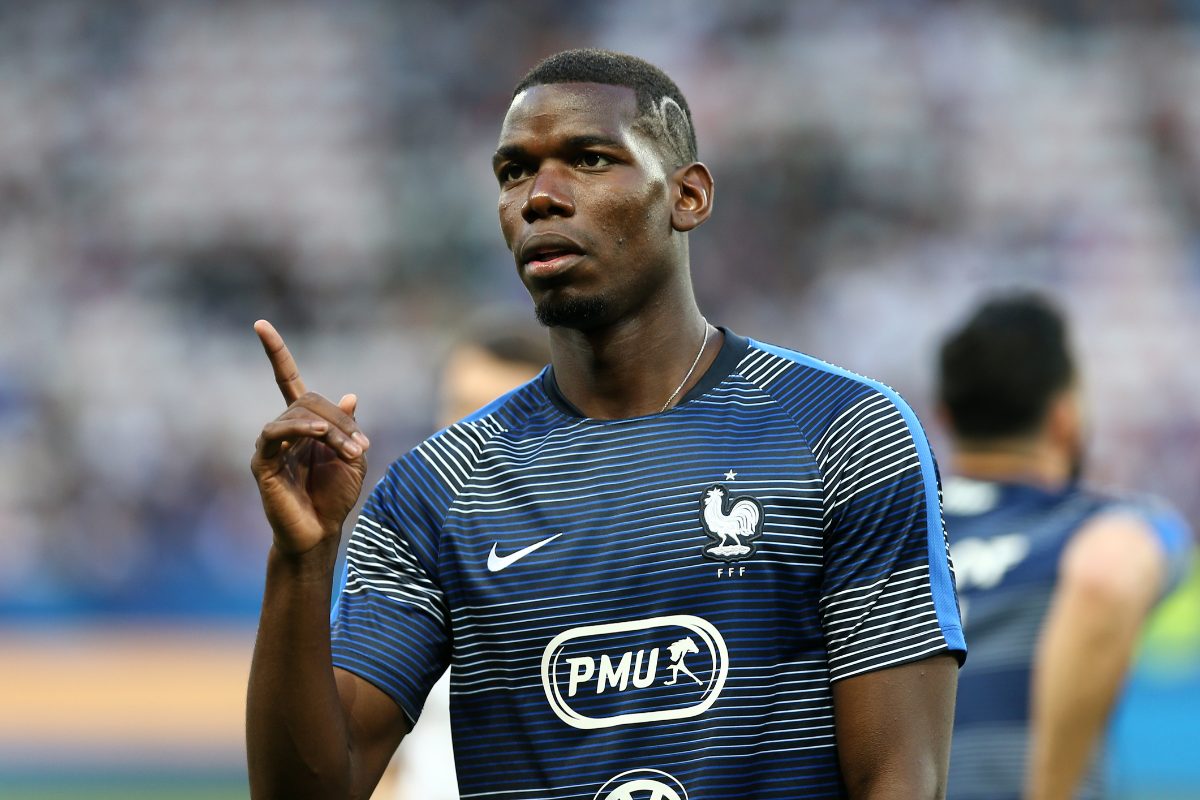
Paul Pogba cost Juventus just €1.5 million across both arrivals combined, yet earned the club €105 million when they sold him — arguably the greatest piece of transfer business in the modern era.
First arrival: nearly free
Paul Pogba joined Juventus from Manchester United in 2012 for just €1.5 million, a nominal settlement after his contract had expired. United let him walk for essentially nothing, which became one of the most painful mistakes in the club's transfer history.
What Juventus sold him for
The sale to Manchester United earned Juventus €105 million plus €5 million in bonuses, with €27 million of that going to agent Mino Raiola, leaving Juventus a net profit of €72 million. For a player acquired for €1.5 million, that is a remarkable return.
Juventus confirmed the fee of €105 million, payable over two financial years, with the additional €5 million triggered by conditions during the contract.
Second spell: a free return
Pogba returned to Juventus on a free transfer after his Manchester United contract expired, reportedly on a four-year deal worth £68 million. So again, no transfer fee. The total package, covering wages, agent fees, signing-on fees and bonuses, was reported at around €80 million across the contract.
The bottom line
In pure transfer fees, Juventus paid €1.5 million for Pogba across both moves combined. The €105 million they received when selling him is what set the world record that Neymar's PSG move later shattered. It is probably the greatest piece of transfer business any club has done in the modern era: buy a teenager for next to nothing, develop him, and sell him for a world record.
 Why is Mbappé reportedly unhappy at Real Madrid?
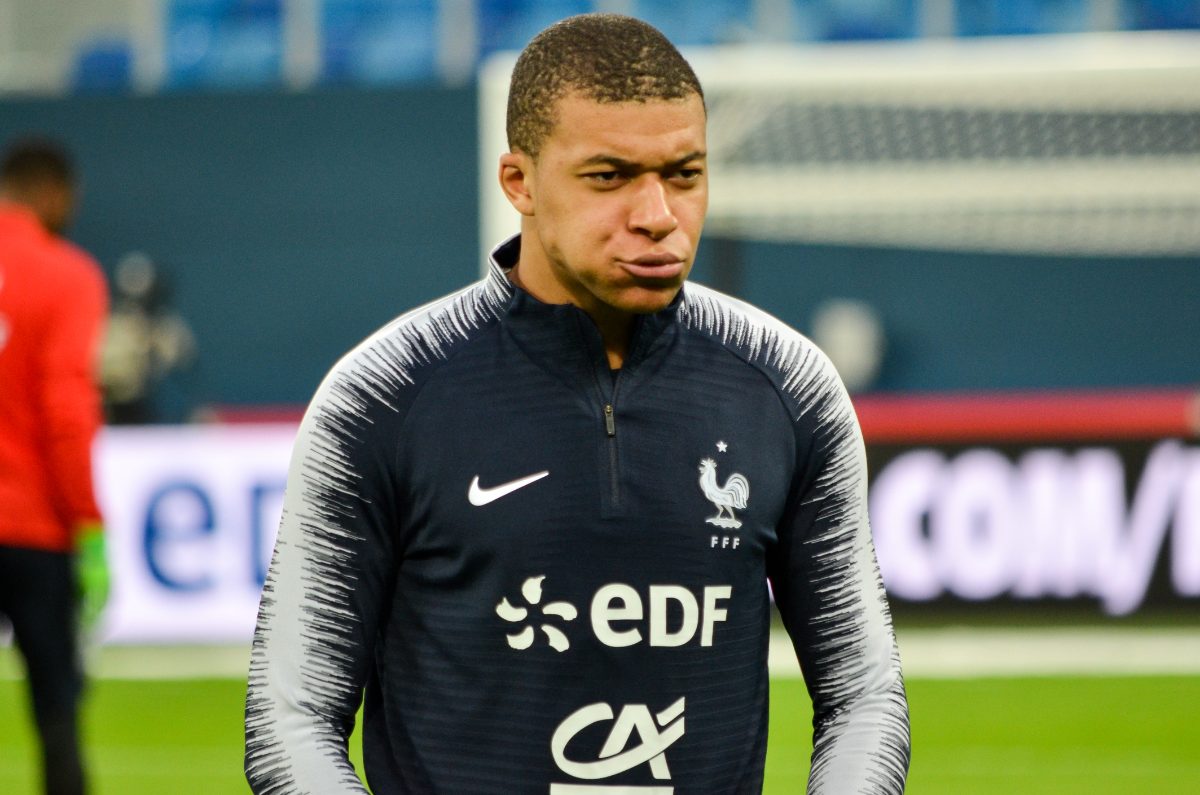
Several overlapping grievances are fueling reports that Kylian Mbappé, the 27-year-old France captain and Real Madrid forward, is unhappy at the club, though he hasn't said so himself and the situation has not reached a breaking point.
The Ballon d'Or complaint
The sharpest and most current source of friction involves the individual award race. Kylian Mbappé has reportedly felt that Real Madrid haven't given him the backing he expected in his bid to win the Ballon d'Or, especially compared to how Barcelona have thrown their weight behind young talent Lamine Yamal. French site Foot Mercato, citing Mundo Deportivo, reported that Mbappé was taken aback by how the club handled the Ballon d'Or campaign and had expected far more support. He hasn't won the award yet, and winning it has been a stated ambition for his entire career.
Friction inside the dressing room
The problems aren't only institutional. Allegations of repeated clashes with Jude Bellingham, as well as a frosty relationship with manager Álvaro Arbeloa, have refused to go away, and Mbappé is also reportedly unhappy at the team's preference for Vinicius Júnior.
The off-pitch incidents
A recent knee injury and activities away from Madrid have created an unexpected wave of criticism. Mbappé was given permission by Real Madrid to recover away from the club after suffering a hyperextension of the left knee joint capsule while on international duty. L'Equipe reported that his decision to spend a weekend in Italy with Spanish actress Ester Exposito "seriously displeased" Madrid fans and a large majority of club employees, who felt it wasn't ideal preparation ahead of a Clasico against Barcelona. Spanish show El Chiringuito also reported that Mbappé made a round trip to Paris and that manager José Mourinho reframed him after a cycling video he posted on social media, which was seen as a provocation toward the coach.
What he has actually said
Mbappé pushed back sarcastically when reports claimed he was angry with Zinedine Zidane and Real Madrid for not campaigning for him in the Ballon d'Or race, dismissing what he described as baseless rumours. He hasn't confirmed unhappiness in any direct statement.
The wider picture
Last season Mbappé finished top scorer in La Liga with 25 goals, the Champions League with 15, and the 2026 World Cup with 10 goals. The numbers aren't the problem. The reported discomfort doesn't necessarily mean a total break with Real Madrid; Mbappé remains expected to be one of the pillars of the club, and his performances on the pitch will shape what comes next. The unhappiness, as the reports frame it, is a friction between a player who wants to be the undisputed figurehead of the biggest club in the world and a club that has several competing stars and hasn't yet moved the institution fully behind him in the way he expected.
Who are the most famous players in Real Madrid's history?
Real Madrid, founded in 1902, has the deepest roster of legends in club football history, and the debate over who tops the list never really settles.
Cristiano Ronaldo
Cristiano Ronaldo is Real Madrid's all-time record scorer with 450 goals, somehow achieved in just 438 games. He led Madrid to four Champions League titles across a nine-year spell that most club analysts rate as the greatest individual run in the club's history.
Alfredo Di Stéfano
For some, the greatest player in Madrid's history, Alfredo Di Stéfano is the player most responsible for establishing the club's connection with the Champions League. Capable of playing in attack, midfield and defense, he adjusted to whatever his team needed and ended his career with 2 Ballon d'Ors, 5 European Cups and 8 La Liga titles. Known as the Blond Arrow for his lightning speed and accuracy, he established a club record of 216 goals in 282 appearances.
Zinedine Zidane
In his playing days, "Zizou" scored an incredible volley to win the 2001 Champions League final, and he then guided the club to a famous three-peat in the competition from the dugout. He is the only figure in the club's history to be considered a legend as both player and manager.
Ferenc Puskas
When Ferenc Puskas became a Real Madrid player, he was already 31 years old and thought unfit after a two-year footballing exile. Yet in the next eight seasons he became a legendary goalscorer, finding the net 242 times in 262 appearances.
Raúl
Raúl González is Real Madrid's all-time leading appearance maker with 741. An elegant player and goal poacher, he won 6 domestic trophies and 3 Champions Leagues, placing more weight on the iconic No. 7 jersey.
Sergio Ramos and Iker Casillas
Karim Benzema, Sergio Ramos, Toni Kroos and Luka Modric contributed to the team's incredible success in the 21st century. Ramos, the club's most decorated captain, and Iker Casillas, the goalkeeper who holds 725 appearances at the club, are the defensive pillars of the modern era alongside that group.
Francisco Gento
Francisco Gento, popularly known as Paco Gento, is widely acknowledged as one of the best Real Madrid players of all time, enjoying a record 12 Spanish top-division championships and six European Cup wins. He played alongside Di Stéfano, Raymond Kopa and Puskas to make Real Madrid the greatest team in 20th-century history.
The bigger picture
Over the course of Real Madrid's storied history, the club has won a record 36 La Liga titles and 15 Champions League titles. The sheer volume of world-class players the club has attracted, from the 1950s European Cup dynasties through the Galácticos era of Ronaldo Nazário, Luis Figo and Zidane, through to the Modric-Benzema-Ramos generation, makes it genuinely different from any other club in the game's history.
That's the room Kylian Mbappé is trying to earn a place in, which makes the reported friction all the more striking.

Build something with what football's money moves are teaching you.
CEEK is where creators and curious people share what they're figuring out, daily, in a community that's already doing it.
Join me on CEEK
Comments
Comments are public. Links are removed.